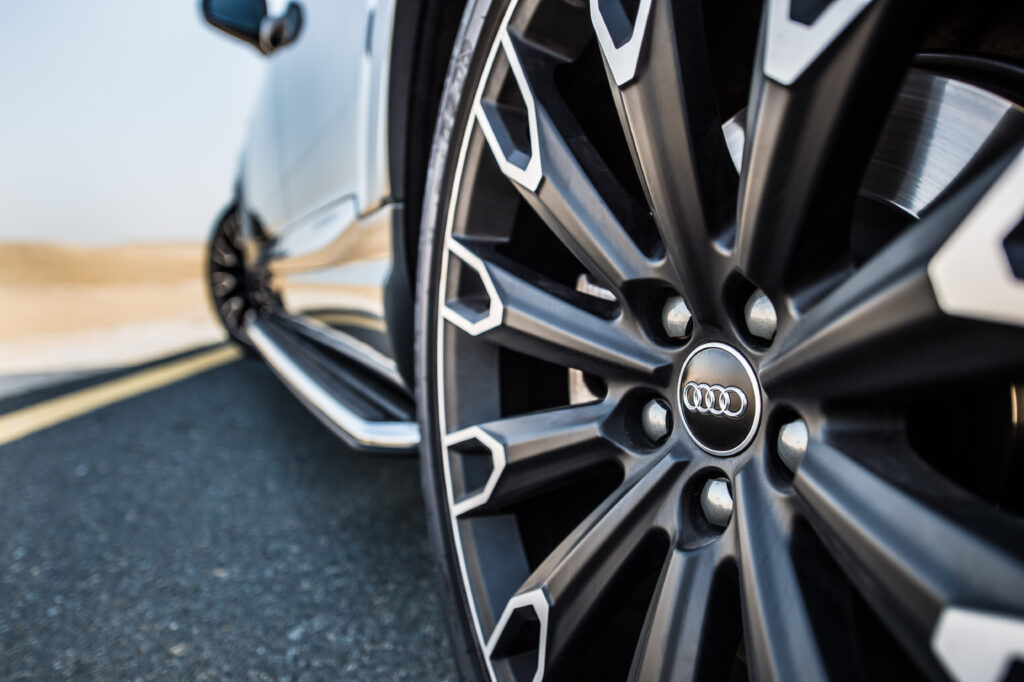
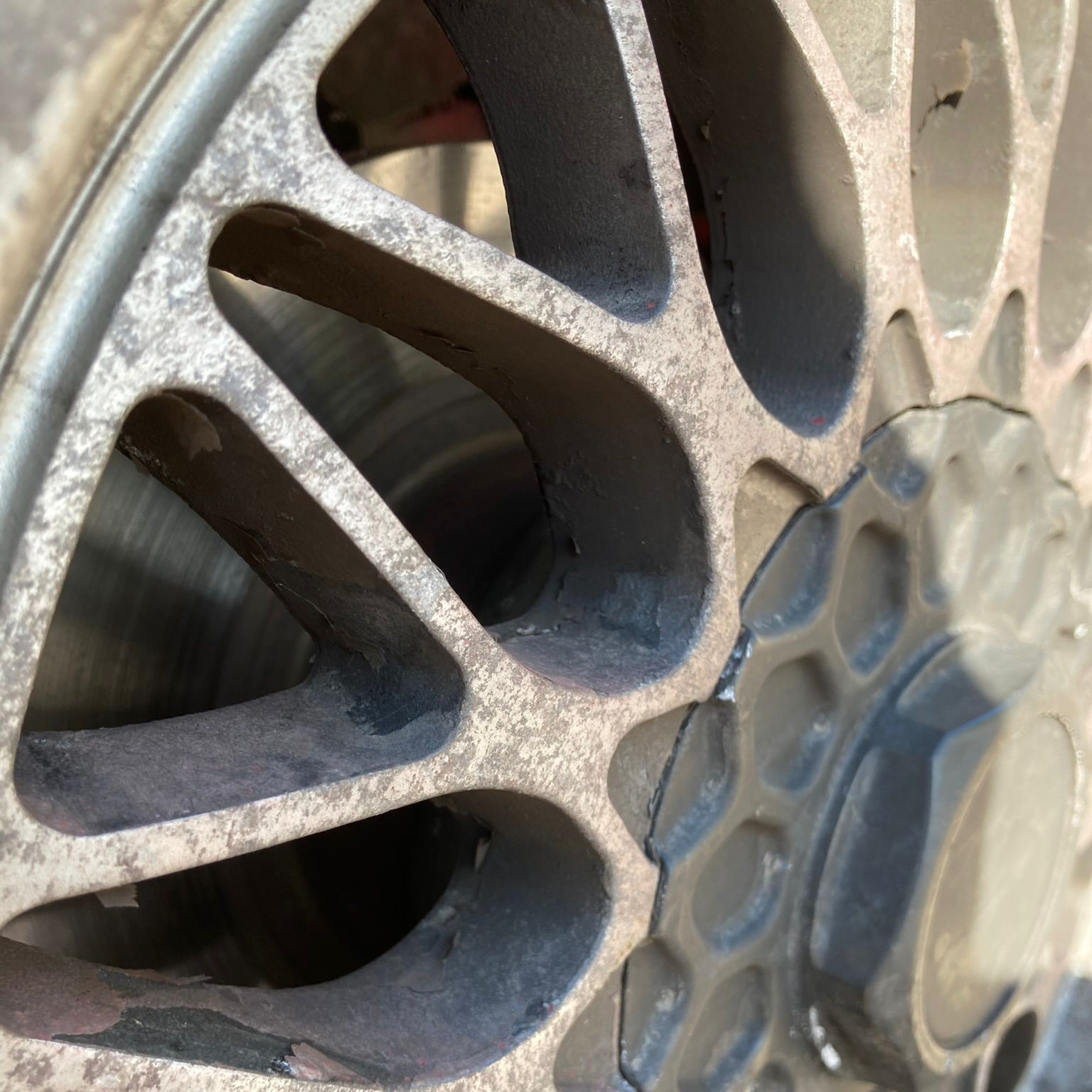
Alloy wheels can completely transform the look of your car—but only if they’re well maintained. Brake dust, road grime, potholes, and careless cleaning can quickly dull their shine or cause permanent damage.
The good news? With the right care routine, alloy wheels can look brand new for years. In this guide, we’ll walk you through how to clean, protect, and maintain alloy wheels properly, and what mistakes to avoid.
Why Wheel Care Is Important
Alloy wheels are made from aluminum or magnesium blends. While lightweight and stylish, they’re more vulnerable to:
- Brake dust buildup
- Corrosion and oxidation
- Scratches and curb rash
- Clear coat damage
Neglecting alloy wheel maintenance doesn’t just affect appearance—it can reduce resale value and lead to costly repairs.
How Often Should You Clean Wheels?
Ideally:
- Once a week for regular city driving
- Every 2–3 weeks if the car is driven less
- Immediately after winter driving or heavy rain
Brake dust is corrosive, so letting it sit too long can permanently stain the wheel surface.
Step-by-Step Guide to Cleaning Wheels
- Use the Right Cleaning Products
Avoid household cleaners or harsh chemicals. Instead, use:
• A pH-balanced wheel cleaner
• Soft microfiber cloths or wheel brushes
• A separate bucket (never mix with body wash tools)
👉 Pro tip: Acid-based cleaners work fast but can damage clear coat if overused.
- Clean Wheels When They’re Cool
Never clean hot alloy wheels. Heat causes cleaners to evaporate quickly, leaving stains and increasing the risk of damage.
Always wait at least 30 minutes after driving.
- Wash Gently and Thoroughly
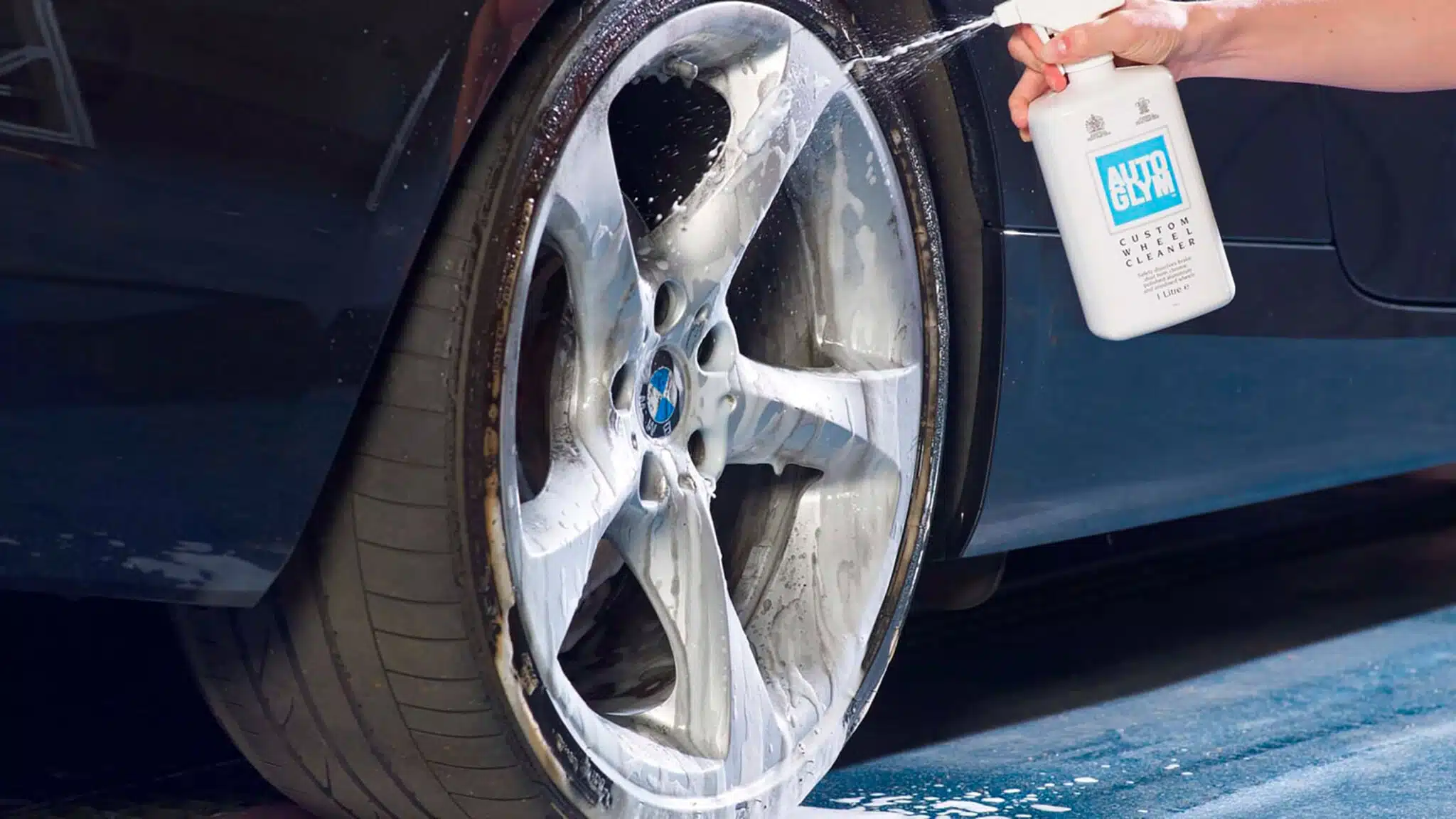
• Spray the cleaner evenly
• Let it sit for 1–2 minutes (don’t let it dry)
• Agitate gently with a soft brush
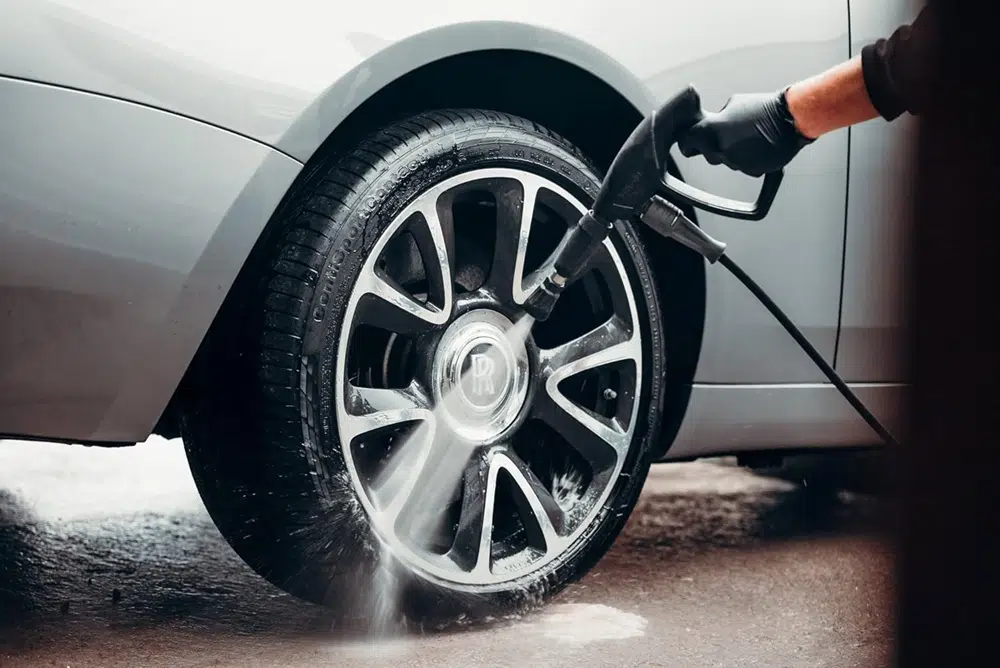
• Rinse thoroughly with clean water
Pay extra attention to inner barrels where brake dust collects.
- Dry Completely
Water spots can dull alloy wheels over time. Dry them using a clean microfiber towel.
How to Protect Alloy Wheels from Damage
Apply Wheel Wax or Sealant
Just like paint protection, wheel sealants:
- Repel brake dust
- Make cleaning easier
- Add shine and UV protection
Apply every 2–3 months for best results.
Avoid Curbs and Potholes
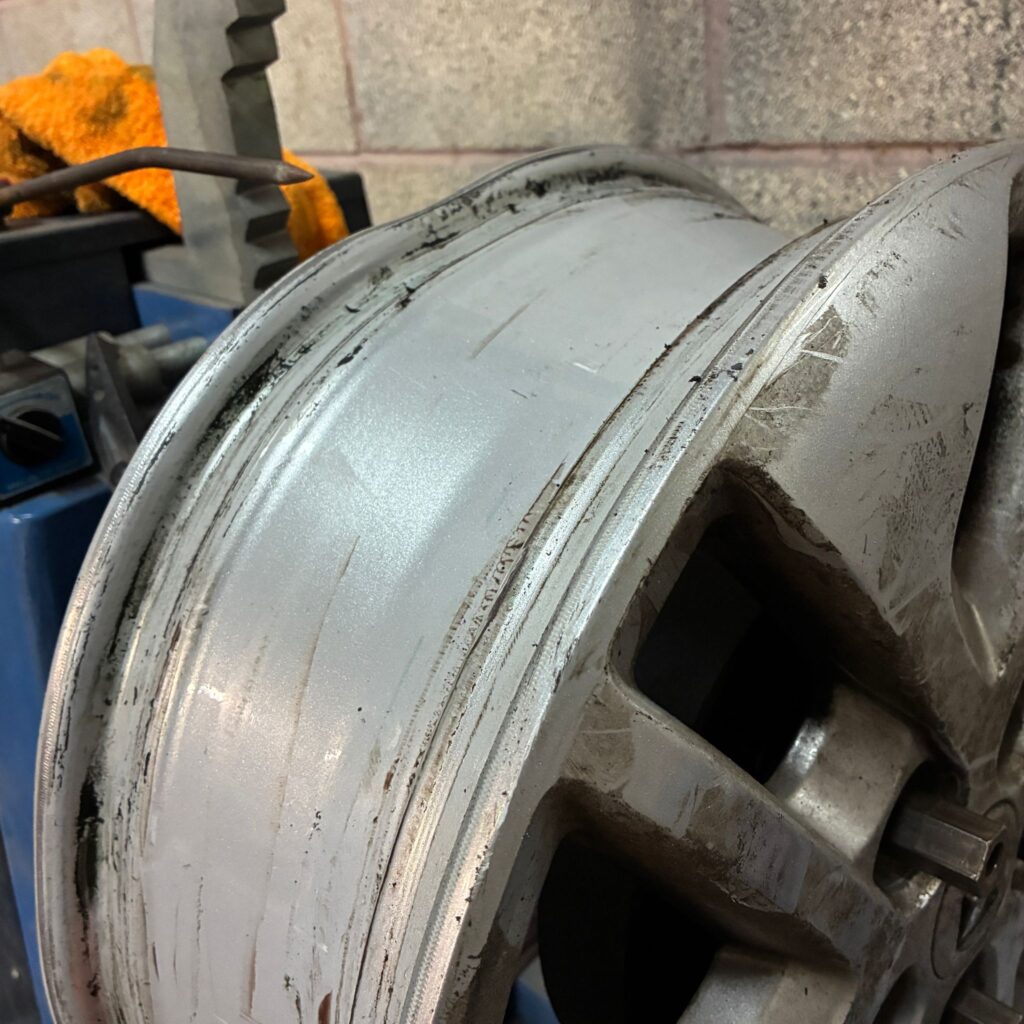
Low-profile tyres offer less protection. Even minor curb contact can cause:
- Scratches
- Bent rims
- Cracked wheels
- Unrepairable damage
Drive carefully on rough roads and while parking.
Use Winter Protection (Cold Climates)
Road salt is brutal on alloy wheels. During winter:
- Clean wheels more frequently
- Apply a stronger wheel sealant
- Consider using winter wheels if possible
Common Alloy Wheel Care Mistakes to Avoid
❌ Using steel wool or abrasive pads
❌ Automatic car washes with harsh wheel brushes
❌ Letting brake dust build up
❌ Ignoring small scratches or chips
Small damage can expose bare metal, leading to corrosion.
Can Scratched or Damaged Wheels Be Fixed?
Minor issues like:
• Light scratches
• Curb rash
• Clear coat damage
…can often be repaired professionally. However, cracked or heavily bent alloy wheels should be replaced for safety reasons.
Final Thoughts: Keep Your Wheels Looking New
Caring for alloy wheels doesn’t require expensive tools—just consistency and the right products. Regular cleaning, gentle handling, and protective coatings go a long way in preserving both looks and value. If you treat your alloy wheels well, they’ll return the favor every time you walk up to your car.
Whether you require an wheel repair, or a complete alloy wheel colour change, then ALLOYHUB is here to help and it could cost a lot less than you anticipated…
Here at ALLOYHUB we can complete a full colour change on four wheels from just £320 + Vat
For all your alloy wheel enquiries, get in touch with a member of our team today on:
0330 133 8271 or sales@alloyhub.com
We accept all major credit and debit cards, PayPal, bank transfer and cash. Alternatively; should you wish to spread the payments of your order, we have Klarna integrated across our site