Alloy wheels have always been about more than looks—but with the rise of electric vehicles (EVs) and modern performance cars, wheel design is evolving faster than ever. Today’s alloy wheels must balance aerodynamics, weight, strength, efficiency, and style, all at once.
In this article, we’ll explore why EVs and performance cars are reshaping alloy design, what’s changed, and what it means for everyday drivers.
The New Demands on Alloy Wheels
Traditional alloy wheel design focused mainly on:
- Appearance
- Weight reduction
- Brake cooling
EVs and high-performance vehicles add entirely new challenges, including:
- Increased vehicle weight
- Torque delivery from standstill
- Range and efficiency concerns
- Advanced braking systems
This has forced manufacturers to rethink how alloy wheels are designed and built.
How Electric Vehicles Are Influencing Alloy Wheel Design
1. Aerodynamics Matter More Than Ever
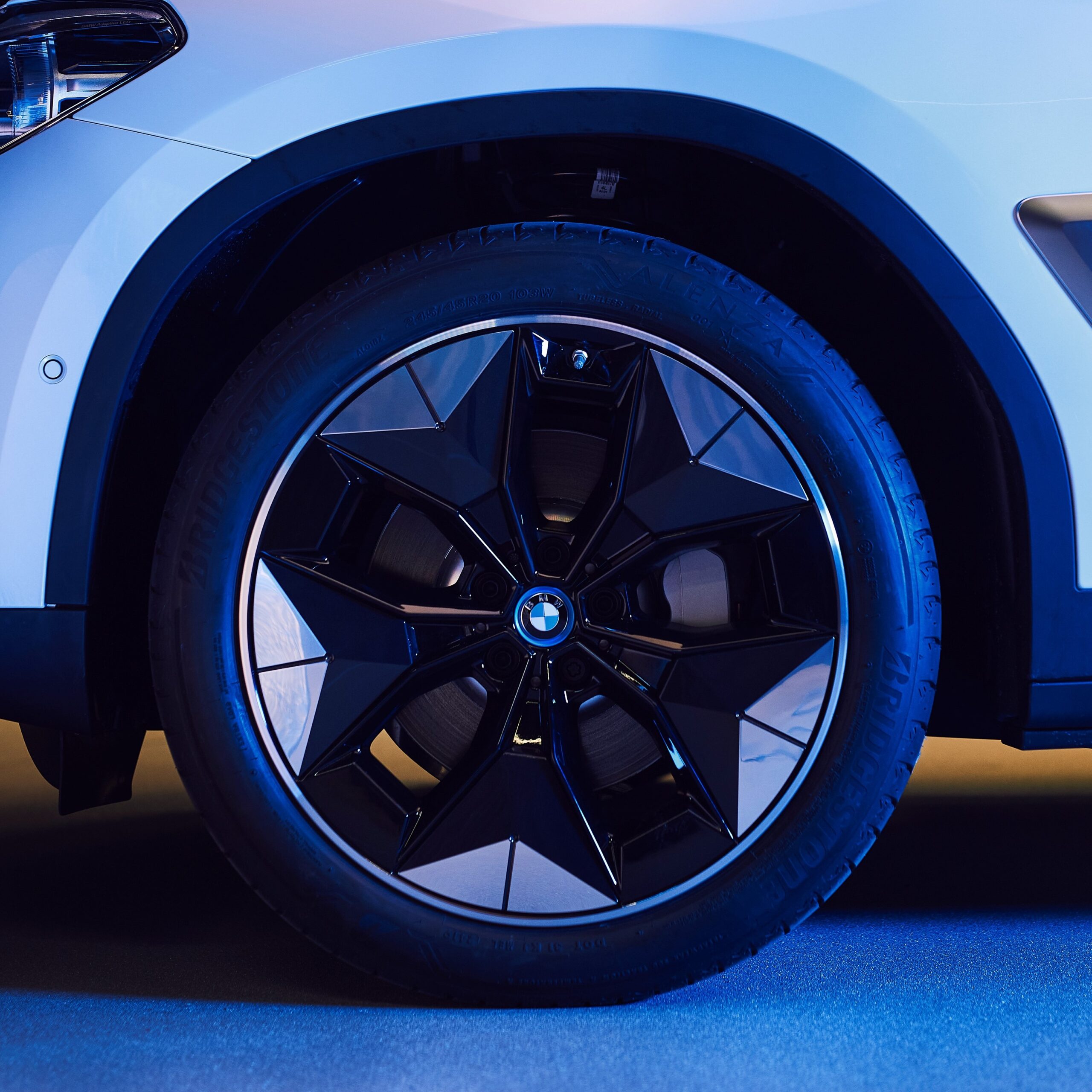
EV range is heavily affected by aerodynamic drag. Alloy wheels now play a significant role in reducing turbulence around the wheel arch.
Modern EV wheel designs often feature:
- Closed or partially closed spokes
- Aero inserts
- Smooth, flat surfaces
These designs reduce air resistance and help extend driving range, sometimes by several miles per charge.
2. Heavier Vehicles Require Stronger Wheels
EVs are heavier than petrol or diesel cars due to large battery packs. This extra weight puts more stress on wheels.
As a result, alloy wheels for EVs are:
- Structurally reinforced
- Designed to handle higher load ratings
- Tested more rigorously for impact resistance
Lightweight no longer means “fragile”—strength is now just as critical.
3. Regenerative Braking Changes Wheel Cooling
EVs rely heavily on regenerative braking, which reduces brake heat compared to traditional systems. This allows designers to:
- Reduce open spoke designs
- Prioritise aero efficiency over brake cooling
This is why many EV alloy wheels look more solid and less aggressive.
How Performance Cars Are Pushing Alloy Wheel Innovation
1. Weight Reduction Is Still King
In performance cars, reducing unsprung weight remains a top priority. Lighter wheels improve:
- Acceleration
- Handling
- Steering response
- Braking performance
Manufacturers are using:
- Flow-formed alloys
- Forged aluminium
- Advanced magnesium blends
All to shave weight without sacrificing strength.
2. Bigger Wheels, Bigger Brakes
Modern performance cars feature massive braking systems. Alloy wheels must:
- Accommodate larger brake calipers
- Maintain rigidity under extreme loads
- Allow sufficient airflow for cooling
This has led to:
- Larger wheel diameters
- More complex spoke geometry
- Deeper concave designs
3. Torque Demands Stronger Designs
High-performance and electric motors deliver instant torque. Alloy wheels must resist:
- Twisting forces
- Deformation under hard launches
- Stress from high-grip tyres
This has driven improvements in wheel construction and testing standards.
The Rise of Hybrid Wheel Designs
One major trend bridging EVs and performance cars is hybrid wheel design, combining:
• Lightweight alloy structures
• Aero covers or inserts
• Precision-engineered spoke layouts
These wheels offer the best of both worlds: efficiency and performance.
What This Means for Everyday Drivers
You don’t need to own a supercar or EV to benefit from these advancements. Many aftermarket alloy wheels now offer:
- Stronger construction
- Better fuel efficiency
- Improved durability
- Modern, cleaner designs
Technology developed for high-end vehicles often filters down to mainstream cars.
Choosing the Right Wheels for Modern Cars
When selecting alloy wheels today, consider:
• Vehicle type (EV, performance, daily driver)
• Load rating and strength
• Aerodynamic design
• Weight and material
Not all wheels are created equal—especially for heavier or higher-powered vehicles.
Final Thoughts: The Future of Alloy Wheel Design
EVs and performance cars are redefining what wheels need to do. The focus has shifted from pure aesthetics to smart engineering, where efficiency, strength, and performance work together.
As the automotive industry evolves, alloy wheel design will continue to push boundaries—benefiting drivers at every level.
Whether you require an wheel repair, or a complete wheel colour change, then ALLOYHUB is here to help and it could cost a lot less than you anticipated…
Here at ALLOYHUB we can complete a full colour change on four wheels from just £320 + Vat
For all your alloy wheel enquiries, get in touch with a member of our team today on:
0330 133 8271 or sales@alloyhub.com
We accept all major credit and debit cards, PayPal, bank transfer and cash. Alternatively; should you wish to spread the payments of your order, we have Klarna integrated across our site